starting solids
Feeding Your Baby and Toddler, Month by Month
What eating often looks like each month from 6 to 24 months, with one short section per month.
Read moreStories
What we are learning as we build Miriel — pediatric nutrition science in plain English, the engineering behind the AI engines, and honest writing about what works.
starting solids
What eating often looks like each month from 6 to 24 months, with one short section per month.
Read morecow's milk
Milk at bedtime or overnight can leave a toddler less hungry in the morning. Small, gradual changes help the routine shift.
Read moredrinks
Many families finish the move from bottle to cup between 12 and 18 months. Go one bottle at a time and keep the cuddle.
Read morecalcium
Everyday foods that bring calcium and vitamin D to your child's plate, plus ideas for dairy-free families.
Read morefood allergy
Build dinner on foods from your child's OK list and add extras for everyone else. One meal, fewer nights cooking twice.
Read moredrinks
Water and milk are the everyday drinks. What goes in the cup from 6 months to 5 years, and what to skip.
Read morefood allergy
Pick the place, call ahead and tell the staff clearly. Bring a backup meal so your child eats with you whatever happens.
Read morefood allergy
Share your child's plan with every adult in charge, pack food yourself and keep notes to other parents short and friendly.
Read morenutrition
A varied plate does most of the work. Here is how to build meals that cover a lot of ground without counting anything.
Read morefood allergy
Tell relatives ahead of time, bring a dish your child can eat and share it. A few kind words and a packed bag do most of the work.
Read moreallergens
How families add egg, peanut and other common allergens to meals: one at a time, at home, and earlier in the day.
Read morestarting solids
From around 6 months, iron-rich foods become part of most meals. Here are easy ones to offer and simple ways to fit them in.
Read morefamily meals
Meals go smoother when every adult feeds your child in a similar way. What to share with grandparents and daycare, and kind words to use.
Read morepicky eating
You choose what, when and where food is served. Your child chooses whether to eat and how much. That split ends most battles.
Read morepicky eating
Asking for just one bite turns a new food into a test. Serve it calmly, keep it small and bring it back another day.
Read morefamily meals
Most nights one meal can feed everyone. Serve it with a food your toddler usually eats, and skip the second dinner.
Read moredrinks
You don't have to choose. Open cups and straw cups teach different things, and spills are part of learning both.
Read morepicky eating
Picky eating is a common toddler phase. Here's what tends to help at meals, and what tends to backfire.
Read moreplant-based
Raising a vegetarian or vegan child? These are the foods to keep in rotation for B12, iron, calcium, omega-3 and protein.
Read moreplant-based
Soy, oat, almond, rice and other plant drinks differ a lot. Read labels for added sugar and ask your pediatrician before making one the main milk.
Read morefood allergy
Read the label every time you buy, even for old favorites. Recipes change, and "may contain" wording differs by brand and country.
Read morefamily meals
A show can make a meal quieter, but your child stops noticing the food. Here are realistic steps toward screen-free meals.
Read morecow's milk
Around 12 months, many families start offering whole cow's milk as a drink. A slow switch over a few weeks is easiest for most.
Read morecow's milk
If your toddler drinks milk and then picks at dinner, timing is often the fix. Try milk with or after meals and water in between.
Read moretoddler nutrition
Small portions, a steady rhythm of meals and snacks, and variety across the week. What toddler eating really looks like.
Read moretoddlers
Throwing food is a common stage. It often means your child is full, curious or after a reaction, and a calm reply helps it pass.
Read morestarting solids
Gagging on lumps means your baby is still learning, not refusing. A step-by-step texture ladder from smooth purees to family food.
Read morestarting solids
You don't have to pick a side. Many families mix spoon-fed purées and soft finger foods, and that is fine.
Read morestarting solids
Babies need very little salt, so skip adding it. Here is where salt hides and how to cook once for the family.
Read morestarting solids
Water starts when solids do, around 6 months: small sips from an open cup with meals.
Read morestarting solids
Probably not much. Solids start when your baby is ready to eat, and nights mostly lengthen with age.
Read morestarting solids
Yogurt and cheese are foods inside a meal. Cow's milk as a drink would replace milk feeds, so it waits until 12 months.
Read morestarting solids
A November 2025 Pediatrics study compared food-allergy diagnoses before and after the early-introduction guidelines. Here is what it found, and what it cannot promise.
Read moreallergens
There is no fixed order. Start with peanut and egg around 6 months, then add the rest one at a time in whatever order suits your kitchen.
Read morestarting solids
From one small meal a day at 6 months to three meals by the first birthday, with milk still the main food all year.
Read morestarting solids
Turning away from the spoon at 6 to 8 months is common and usually passes. The everyday reasons, and what to try for each.
Read morestarting solids
The best starting solids app depends on your priority: a deep visual food library, AI recipe help, or cited guideline-based plans. A 2026 comparison.
Read morestarting solids
Firmer poop is common once solids begin. Fruits to offer more often, foods to balance, and how to set up drinks.
Read morestarting solids
Gagging is loud and part of learning to eat. Choking is quiet and needs you. What each looks like, and how to set up every meal.
Read morestarting solids
Offer well-cooked whole egg, yolk and white together, from around 6 months. Cook it firm, start small, then keep it in regular meals.
Read morepeanut
Most babies can start peanut around 6 months, as thinned smooth peanut butter or peanut powder stirred into food. Never whole nuts.
Read morestarting solids
Plain foods like a new vegetable can come day to day. For allergens, offer one at a time and wait 2–3 days before the next.
Read morepicky eating
Often a lot. Keep offering new foods calmly, over days and weeks, without pressure or bribes.
Read morefamily nutrition
A practical guide to family nutrition — what good nutrition means for children, how it shapes academic and physical outcomes, and how busy families can build sustainable habits without perfectionism.
Read moreadded sugar
How to keep added sugar small at home, spot it on labels, and still enjoy birthday cake together.
Read moreiron deficiency
Meat, fish, eggs, beans, lentils, tofu and fortified cereal, in forms a toddler will actually eat.
Read morepicky eating
Most picky eating is developmental and resolves on its own. A smaller group of children have something different — Avoidant/Restrictive Food Intake Disorder. The line between the two is clearer than most parents are told.
Read morevitamin D
Only a handful of everyday foods carry vitamin D. Here is what they are and how to fit them into your child's week.
Read moresolid foods
Most babies are ready for solids around 6 months. Here is what readiness looks like, what to offer first, and how textures change.
Read morechildhood obesity
Childhood obesity prevention is not about cutting calories — it is about building a supportive environment that combines balanced nutrition, healthier beverage choices, physical activity, and emotional well-being from toddlerhood through adolescence.
Read morekorea
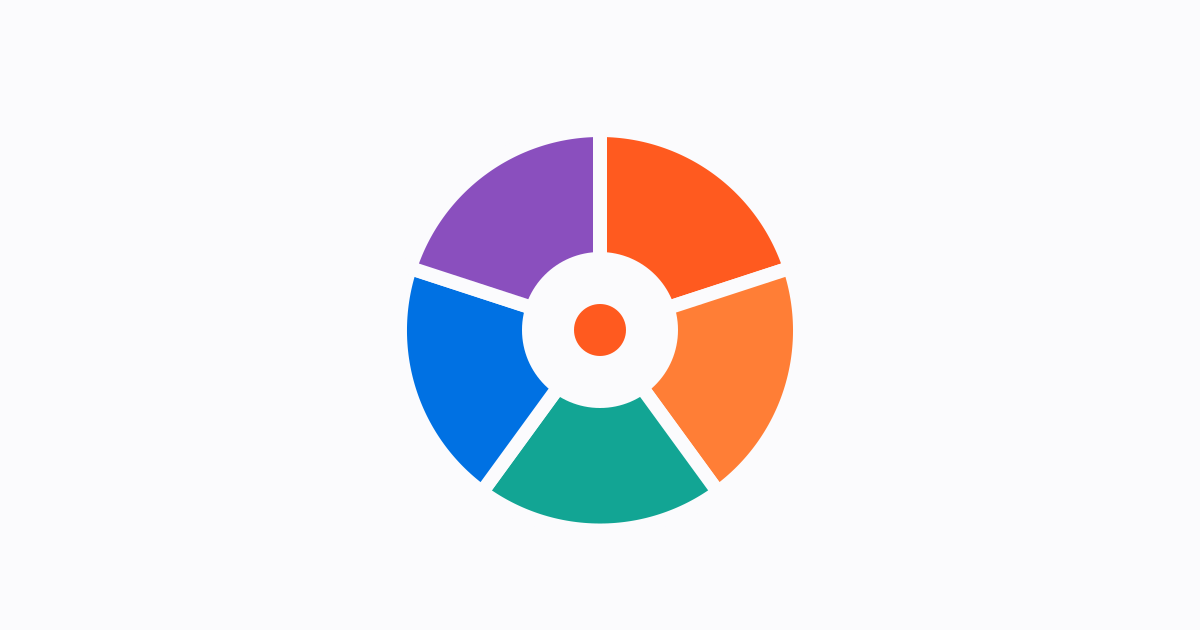
Korea draws its food guide as a wheel of five food groups. Here is how the idea fits a family table.
Read more